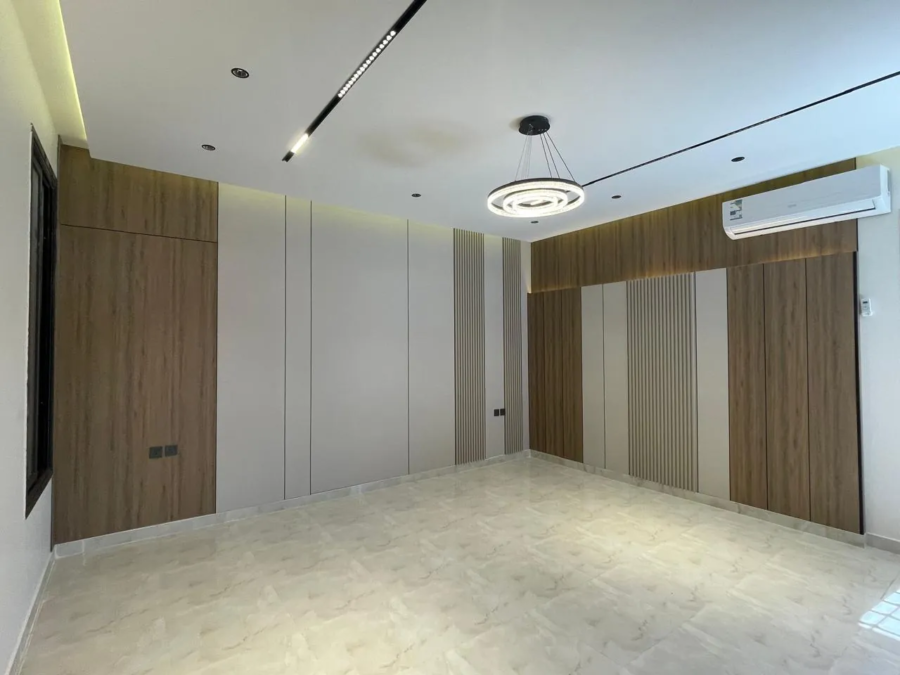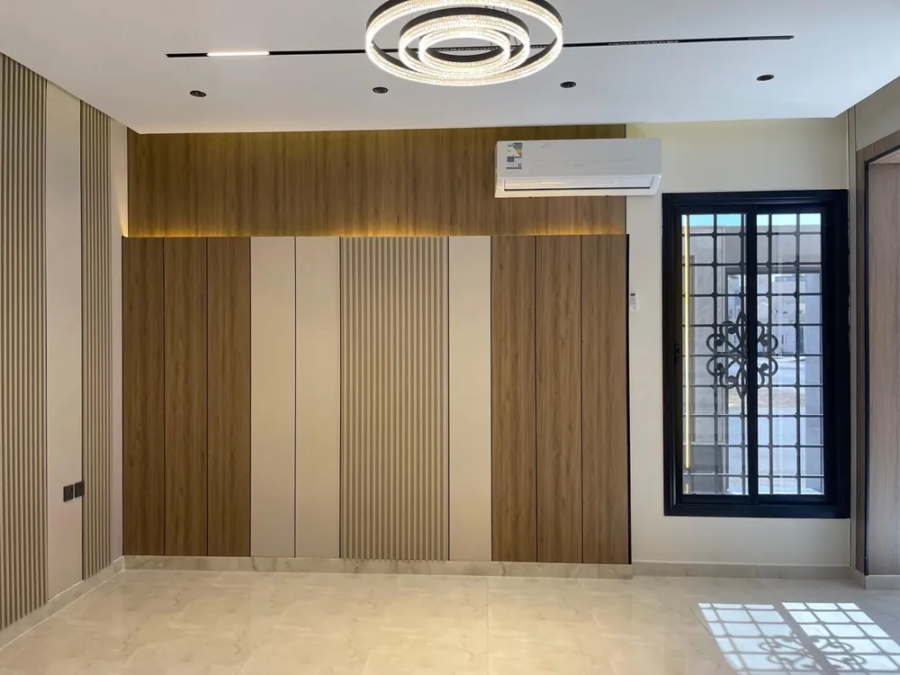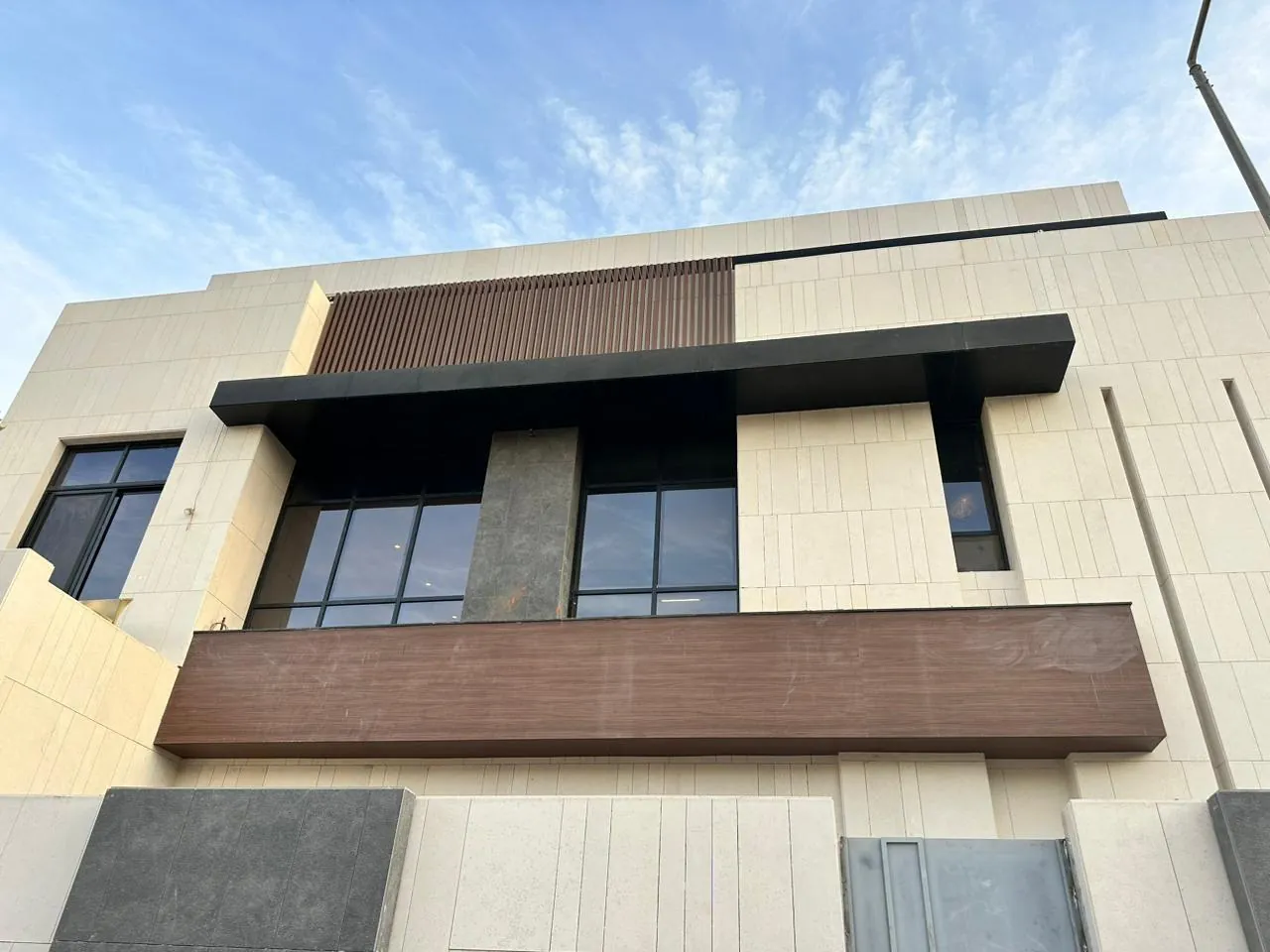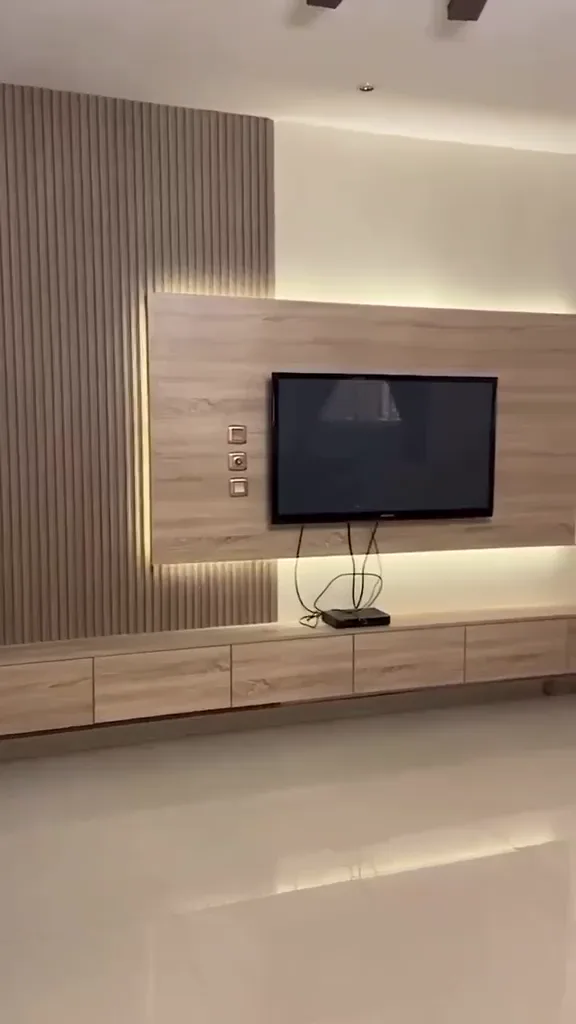
Marble gives a space a sense of luxury like few materials can, but it isn’t the right choice for every wall or every budget.
Natural marble
A natural stone cut from quarries; every slab has its own veining.
Strengths: natural depth of colour and veining, heat resistance, and a long life when installed and sealed properly. It suits main entrances and the majlis.
Keep in mind: it is heavy and needs a properly prepared wall, it is porous and needs periodic sealing, and both the material and the installation cost more, with more waste when cutting.
Marble alternative
Manufactured panels, usually polymer or composite, printed with a high-definition marble pattern.
Strengths: light and quick to install, large panels with fewer joints, consistent pattern across pieces, water-resistant and easy to clean, and a lower cost that covers larger areas.
Keep in mind: it doesn’t suit spots exposed to strong direct heat, and quality varies a lot between manufacturers — always ask for a sample and view it under the real lighting.
Which goes where?
| Use | Best fit |
|---|---|
| Entrance and main majlis floor | Natural marble |
| TV feature wall | Marble alternative |
| Bathroom walls | Marble alternative or porcelain |
| Kitchen worktops | Natural marble or quartz |
| Shops and showrooms | Marble alternative, for speed |
In short
Many projects use both: natural marble where it is touched and seen up close, alternatives on large walls. We bring samples to your site before procurement so you choose while seeing the result.